
 By
By 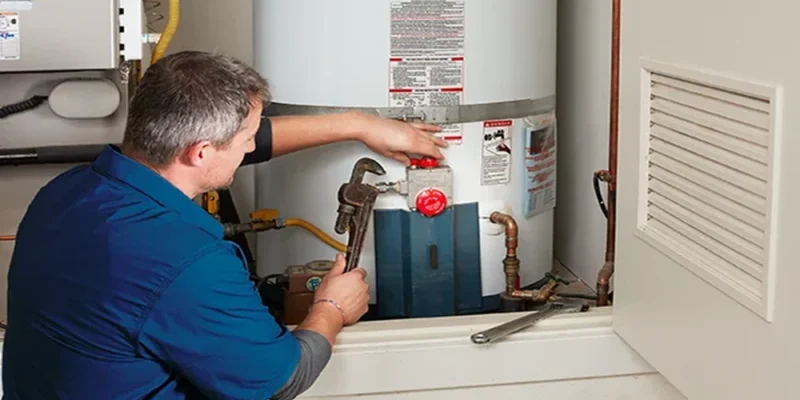
A water heater can serve your home reliably for years, but no unit lasts forever. Knowing its age, condition, and warning signs can help you decide whether routine maintenance, a professional repair, or complete replacement is the smartest choice. Acting early may also prevent leaks, water damage, and unexpected loss of hot water.
A dependable water heater quietly supports showers, laundry, dishwashing, and daily cleaning. Because it works in the background, many homeowners do not think about its condition until hot water runs out or a leak appears. Knowing the typical signs of aging can help you decide whether maintenance, repair, or replacement makes the most sense. Timely water heater service and repair can correct small problems before they become expensive failures. It can also help your system operate more safely and consistently. The key is knowing what your unit is telling you and acting before a minor issue becomes a major household disruption.
How Long Does a Water Heater Usually Last?
The expected lifespan depends on the type of water heater, installation quality, water conditions, maintenance, and daily use.
Traditional tank water heaters commonly last around 8 to 12 years. Tankless water heaters may operate for 15 to 20 years or longer when properly maintained. These are general ranges rather than strict replacement deadlines.
A well-maintained older unit may continue working effectively. On the other hand, a poorly maintained system can develop problems much earlier.
Checking the manufacturing date is a useful starting point. If your water heater is approaching the upper end of its expected lifespan, pay closer attention to changes in performance.
When Your Water Heater May Only Need Service
Not every problem means you need a new water heater. Routine maintenance can help correct minor concerns and identify developing issues early.
Common reasons to schedule service include:
- Hot water taking longer than usual to recover
- Minor changes in water temperature
- Unusual sounds coming from the tank
- Reduced hot water capacity
- Visible mineral buildup around connections
Regular maintenance can also help technicians inspect important components and identify leaks, corrosion, or wear before they cause more serious problems.
Signs That a Repair May Be the Better Choice
A repair often makes sense when the water heater is relatively young and the main tank or system remains in good condition.
Problems such as faulty heating components, thermostat issues, minor leaks from fittings, or inconsistent heating may be repairable. A professional can inspect the unit, identify the cause, and explain whether fixing it offers reasonable long-term value.
This is where professional water heater service and repair becomes especially valuable. Instead of guessing which component has failed, a trained plumber can determine whether the issue is isolated or part of a larger problem.
Pay attention to repeated breakdowns. One repair may be worthwhile, but frequent service calls can indicate that the unit is reaching the end of its practical lifespan.
When Replacement Makes More Sense
Age is only one factor when deciding whether to replace your water heater. Overall condition and repair history matter just as much.
Replacement may deserve serious consideration when you notice:
- Water leaking directly from the tank
- Significant rust or corrosion
- Repeated repair needs
- Frequent loss of hot water
- Rising operating costs
- A unit already beyond its expected lifespan
A leaking storage tank is particularly important to address quickly. Once the tank itself has deteriorated, repairing individual components usually will not solve the underlying problem.
Replacing an aging unit before a complete failure can also give you more time to select an appropriately sized traditional or tankless water heater rather than making a rushed decision during an emergency.
How to Help Your Water Heater Last Longer
Simple preventive care can support reliable performance and reduce unnecessary wear.
Have the system inspected periodically, especially as it gets older. Watch for moisture near the unit and report unusual noises or temperature changes instead of ignoring them.
Homeowners should also keep the area around the water heater clear and regularly look for visible corrosion, dripping connections, or other changes.
Professional maintenance is particularly useful because some problems develop inside the system and may not be obvious during a basic visual inspection.
FAQs
Can a Water Heater Last 20 Years?
Some water heaters can. Tankless systems often have longer service lives than traditional tank models. Actual lifespan depends on usage, maintenance, water quality, and the condition of individual components.
Should I Replace My Water Heater Before It Fails?
It can be sensible if the unit is old, unreliable, corroded, or requiring frequent repairs. Planned replacement can help you avoid an unexpected loss of hot water or a damaging leak.
Why Is My Water Heater Making Strange Noises?
Popping, rumbling, or other unusual sounds may be related to sediment buildup or other internal conditions. A professional inspection can determine the specific cause.
Is Inconsistent Hot Water a Sign of Failure?
Not always. Inconsistent temperatures can result from several repairable problems. However, repeated temperature issues in an older system may indicate that replacement should be considered.
Is a Tankless Water Heater Always Better?
Not necessarily. Traditional and tankless systems offer different advantages. The right choice depends on household hot water needs, available space, existing plumbing, and installation requirements.
Conclusion
Your water heater does not need to stop working completely before it deserves attention. Age, leaks, corrosion, unusual noises, reduced hot water, and repeated breakdowns can all provide valuable clues about its condition.
Routine servicing is often enough for a healthy system with minor performance concerns. Repairs can make sense when the unit is still relatively young and the problem involves a replaceable component. Replacement becomes more practical when the system is aging, leaking, heavily corroded, or requiring frequent repairs.
The best approach is to respond to warning signs early instead of waiting for a complete failure. Regular inspections and maintenance can help you understand the condition of your system and plan ahead. When performance begins to decline, professional water heater service and repair can help determine whether maintaining, fixing, or replacing your unit offers the safest and most cost-effective path forward.
=========================================================


Comments