
 By
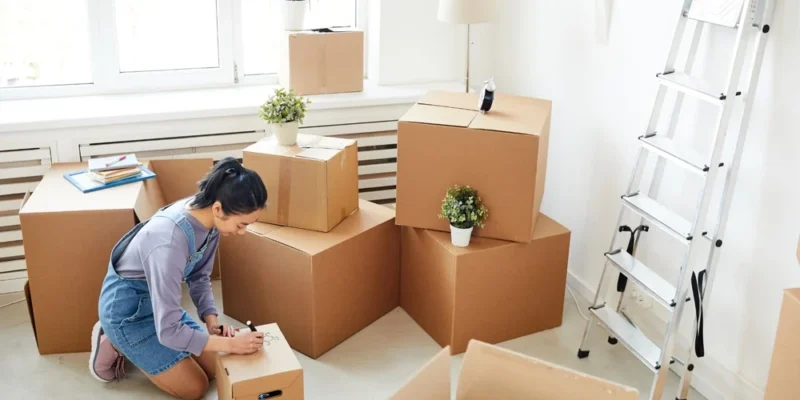
Moving to a new home involves more than packing boxes and arranging transportation. Managing belongings can become challenging when furniture takes up too much space, the new home is not ready, or moving dates do not align.
Without proper planning, items may become difficult to locate, damaged during transportation, or left without a suitable place for storage. Following a clear moving checklist helps you organize your belongings, reduce unnecessary clutter, and consider temporary storage solutions when extra space is needed.
7 Steps to Organize Your Belongings Before Moving
Organizing your belongings before moving can save time and make unpacking easier. These seven steps provide a practical approach to managing everything from everyday essentials to large furniture.
1. Take Inventory of Everything Before Packing
Start by checking the belongings in each room, including closets, cabinets, storage areas, and balconies. Make a list of furniture, appliances, clothing, kitchenware, and other household items.
For larger belongings, record their approximate dimensions and note whether they require dismantling. A simple spreadsheet or mobile checklist can help you track what needs to be packed, transported, or stored.
2. Sort Essential and Unnecessary Items
Moving is a useful opportunity to identify belongings you no longer need. Instead of packing everything, separate items into three categories:
– Keep: Items you regularly use or plan to bring to your new home.
– Donate or sell: Usable belongings that no longer serve a purpose.
– Discard: Broken, damaged, or unusable items that cannot reasonably be repaired or donated.
This process reduces the number of boxes and helps prevent unnecessary items from taking up valuable space in your new home.
3. Plan Where Each Item Will Go
Before packing, consider where your belongings will be placed after the move. Review the layout of your new home and assign furniture, appliances, and storage boxes to specific rooms.
If certain items will not fit immediately, identify whether they should be sold, donated, or placed in temporary storage. Planning these arrangements early can prevent overcrowding on moving day.
4. Pack Items Based on How Often You Use Them
Start with belongings you rarely use, such as seasonal decorations, spare bedding, books, or occasional-use kitchen equipment.
Keep everyday essentials accessible until the final days before moving. Prepare a separate bag containing important documents, medications, chargers, toiletries, and clothing needed during the first few days.
5. Pack Carefully and Label Every Box
Choose packing materials according to the weight and fragility of each item. Use sturdy boxes for books and household goods, and add protective wrapping around glassware, ceramics, and electronics.
Label each box with its contents, destination room, and handling instructions. For example, a label reading “Kitchen – Glassware – Fragile” makes unloading and unpacking more manageable.
Numbering boxes and keeping a matching inventory also helps identify missing belongings.
6. Check Moving Access and Available Space
Measure large furniture and compare its dimensions with doorways, elevators, staircases, and room entrances at the new property.
Also check parking availability, loading areas, and building restrictions on moving hours. These details are particularly important when moving into condominiums or apartment buildings.
Confirming access requirements beforehand can help avoid transportation delays and unexpected complications.
7. Prepare a Backup Plan for Items That Cannot Be Moved Immediately
Not every belonging needs to arrive at the new home on the same day. Renovation work, limited room capacity, or scheduling differences may require some items to remain elsewhere temporarily.
Identify which belongings can safely be stored and estimate how long they will need to stay there. Consider temporary self-storage rental if you need a separate space for furniture, household equipment, or packed boxes.
Having a backup arrangement allows you to move essential belongings first without overcrowding your new living space.
What Should You Do If You Cannot Complete Your Move in One Day?
Moving schedules do not always align perfectly. You might need to leave your current property before receiving the keys to your new home, or renovation work may delay furniture installation.
In these situations, keeping everything inside the new property may not be practical. Temporary storage offers an alternative for belongings that are not immediately needed.
A self-storage rental allows you to keep selected items in a separate storage unit while arranging your move in stages. This can be particularly useful for larger furniture, seasonal belongings, and packed household items that would otherwise occupy limited living space.
How to Choose the Right Temporary Self-Storage Rental
Choosing a suitable storage unit requires more than comparing prices. Consider the size of your belongings, expected storage period, security arrangements, and transportation convenience.
1. Choose a Storage Unit That Fits Your Belongings
Estimate the total number of boxes and measure bulky items such as sofas, wardrobes, mattresses, and dining tables.
A small unit may accommodate several boxes and personal belongings, while larger furniture may require additional floor space. Consider whether items can be safely stacked and whether you need an aisle to access belongings during the rental period.
Selecting an appropriately sized unit helps avoid paying for unnecessary space.
2. Review Rental Periods and Contract Terms
Check the minimum rental duration, payment schedule, extension policies, and any applicable additional charges.
If your moving schedule is uncertain, ask whether the rental can be extended and how much advance notice is required before leaving. Understanding these conditions helps you manage your budget and avoid unexpected costs.
3. Evaluate Security and Access Arrangements
Review the facility’s security measures, including CCTV coverage, access controls, and individual unit locking systems.
Also ask about operating hours, access restrictions, and insurance arrangements. If you need to retrieve belongings frequently, accessibility may be just as important as security.
4. Consider Location and Transportation Convenience
Choose a facility that is reasonably accessible from your current home, new property, or moving route.
A lower rental price may not offer meaningful savings if transportation costs are significantly higher. Check vehicle access, loading facilities, and whether large items can be moved comfortably into the unit.
Comparing these practical details helps you choose a storage arrangement that supports your moving schedule.
How to Prepare Your Belongings Before Putting Them Into Storage
Proper preparation helps protect your belongings throughout the storage period. Before moving items into a storage unit, consider the following steps:
– Clean and dry your belongings: Make sure furniture, appliances, and household items are clean and completely dry before packing to reduce moisture-related problems.
– Use appropriate packing materials: Wrap fragile items with protective materials and use sturdy boxes for heavier belongings to minimize the risk of damage.
– Label boxes and organize your inventory: Clearly identify the contents of each box and keep an inventory list. Place frequently needed items in accessible areas for easier retrieval.
– Check storage facility requirements: Review the provider’s storage restrictions, prohibited items, and packing guidelines before moving your belongings into the unit.
Sorting, packing, and planning storage space in advance can make moving more organized and manageable. If some belongings cannot be moved into your new home immediately, temporary storage is worth considering based on your space requirements, rental period, and budget.
i-Store offers เช่าห้องเก็บของ (self-storage rental) services with various unit sizes for personal and business storage needs. Its facilities offer 24-hour security, CCTV surveillance, complimentary damage protection insurance, convenient parking, packing areas, and regularly cleaned spaces. Customers can also access their storage units around the clock.
Getting started is straightforward: simply select a storage facility, choose a suitable unit size, review the rental terms and complete payment, then move your belongings into the unit yourself. With flexible storage space and convenient access to your belongings, you can manage your move at your own pace, keep your new home free from unnecessary clutter, and settle in with greater peace of mind.



Comments