
 By
By 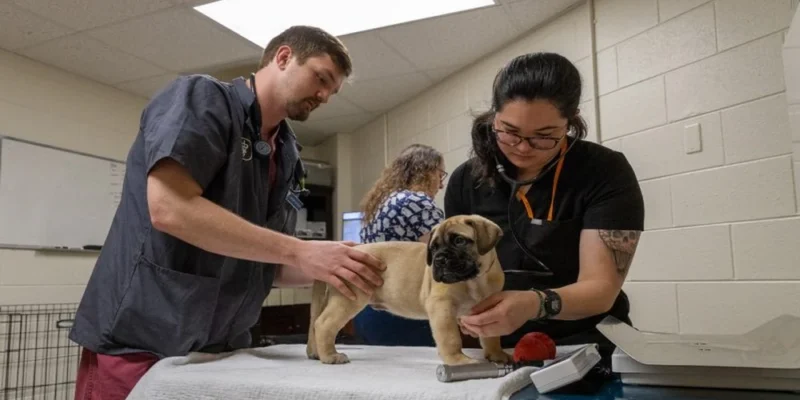
You might not think much about preventive care when your pet seems happy, playful, and healthy. That is often how it goes. Life gets busy, your dog still runs to the door, your cat still claims the sunny spot on the couch, and it is easy to assume everything is fine. Then something changes. A missed parasite issue becomes a bigger problem. A small dental concern turns into pain. A routine exam you meant to schedule with a provider of veterinary in Grayson, KY starts to feel urgent.
If that sounds familiar, you are not alone. Pet care can feel like a balance between doing what is best and trying not to overreact. The good news is that regular care through a veterinary clinic can help you avoid many of the problems that become stressful, expensive, and harder on your pet later. In simple terms, the biggest benefits are early detection, lower long term costs, and a better quality of life for your pet.
Why Do So Many Pet Health Problems Start Small, Then Suddenly Feel Big?
Most pet owners do not ignore their animals on purpose. The hard part is that pets are good at hiding discomfort, and early warning signs are often easy to miss. A slight change in appetite, a little bad breath, or extra scratching can seem minor. Because of that, small issues often stay hidden until they affect your pet’s energy, comfort, or behavior.
That is where preventive veterinary care makes such a difference. Routine exams, vaccines, parasite prevention, and screenings create a chance to catch concerns before they become harder to treat. Instead of reacting to a crisis, you are staying ahead of one. And when your veterinarian knows your pet’s normal health pattern, subtle changes are easier to spot.
Consider tick prevention. Many pet owners know ticks are unpleasant, but fewer realize how much they can put pets at risk. The CDC offers practical guidance on preventing ticks on pets, including regular checks and consistent preventive products. A veterinary clinic can help you choose the right plan based on your pet’s age, health, and lifestyle.
So, where does that leave you if your pet seems fine today? It means today is often the best time to act. Prevention works best before there is an obvious problem.
How Can Routine Preventive Care Protect Your Pet and Your Budget?
One of the clearest benefits of regular wellness care is early detection. A routine visit may reveal weight changes, skin issues, dental disease, heart concerns, or parasite exposure before your pet shows clear symptoms at home. That matters because early treatment is often simpler, less invasive, and less expensive.
There is also the financial side, which many families quietly worry about. Emergency care can be costly, and it often comes with fast decisions and a lot of stress. Preventive visits are usually more predictable. They give you space to plan instead of scramble. When you spread care out over time, it often feels more manageable than dealing with one large, sudden medical bill.
Then there is your pet’s day to day comfort. Dental care is a good example. Bad breath is easy to brush off as normal, but it can point to disease and pain. Texas A&M explains why pet dental care is important, especially because oral health problems can affect more than just the mouth. Preventive dental care can help your pet eat more comfortably, avoid infection, and stay healthier overall.
If you are looking for another way to think about it, pet wellness care is not just about adding years to your pet’s life. It is also about making those years easier, more active, and more comfortable.
What Does Preventive Care Through a Veterinary Clinic Actually Help With?
Preventive care covers more than annual shots. According to Virginia Tech’s guidance on pet preventive care, regular visits can support vaccination schedules, parasite control, nutrition, weight management, and screenings based on your pet’s age and risk factors. Puppies and kittens need one kind of support. Senior pets often need another. A veterinary clinic helps adjust care as your pet’s needs change.
That flexibility is one reason many owners find benefits of preventive care for pets so meaningful. You are not following a one size fits all checklist. You are building a care plan around the animal you know and love.
What Is the Difference Between Waiting for Symptoms and Getting Preventive Care?
| Approach | What It Looks Like | Likely Outcome |
|---|---|---|
| Wait for symptoms | You schedule a visit only when your pet seems sick, stops eating, scratches constantly, or shows pain. | Problems may be found later, treatment may cost more, and your pet may suffer longer before getting help. |
| Routine preventive care | You keep regular exams, stay current on vaccines, discuss nutrition, and use parasite prevention. | Issues are more likely to be caught early, care is easier to plan for, and your pet stays more comfortable. |
| Home observation alone | You monitor behavior and appearance but do not pair that with regular professional checkups. | You may notice obvious changes, but subtle health concerns can still be missed. |
What Can You Do Right Now to Support Your Pet’s Health?
1. Schedule a wellness visit before there is a problem. If it has been a while since your pet’s last exam, that is a good place to start. A routine visit gives you a baseline and helps uncover concerns that are easy to miss at home.
2. Ask about age specific prevention. A young pet, an active adult pet, and a senior pet do not need the exact same plan. Ask your veterinarian about vaccines, bloodwork, dental checks, parasite prevention, and nutrition based on your pet’s stage of life.
3. Watch small changes and bring them up early. A little more sleeping, a change in breath, mild limping, or skin irritation may not seem urgent, but those details matter. Bringing them up early can lead to simpler answers and faster relief.
Could a Small Step Today Spare Your Pet a Bigger Problem Later?
In many cases, yes. That is the heart of preventive care. It gives you a way to protect your pet before discomfort turns into pain and before uncertainty turns into emergency. When you work with a trusted veterinary clinic, you are not just checking a box. You are giving your pet a better chance at steady health, comfort, and a longer, happier life.
If you have been putting off routine care, this is a good time to take that next step and schedule a preventive visit with a veterinary clinic.





Comments